
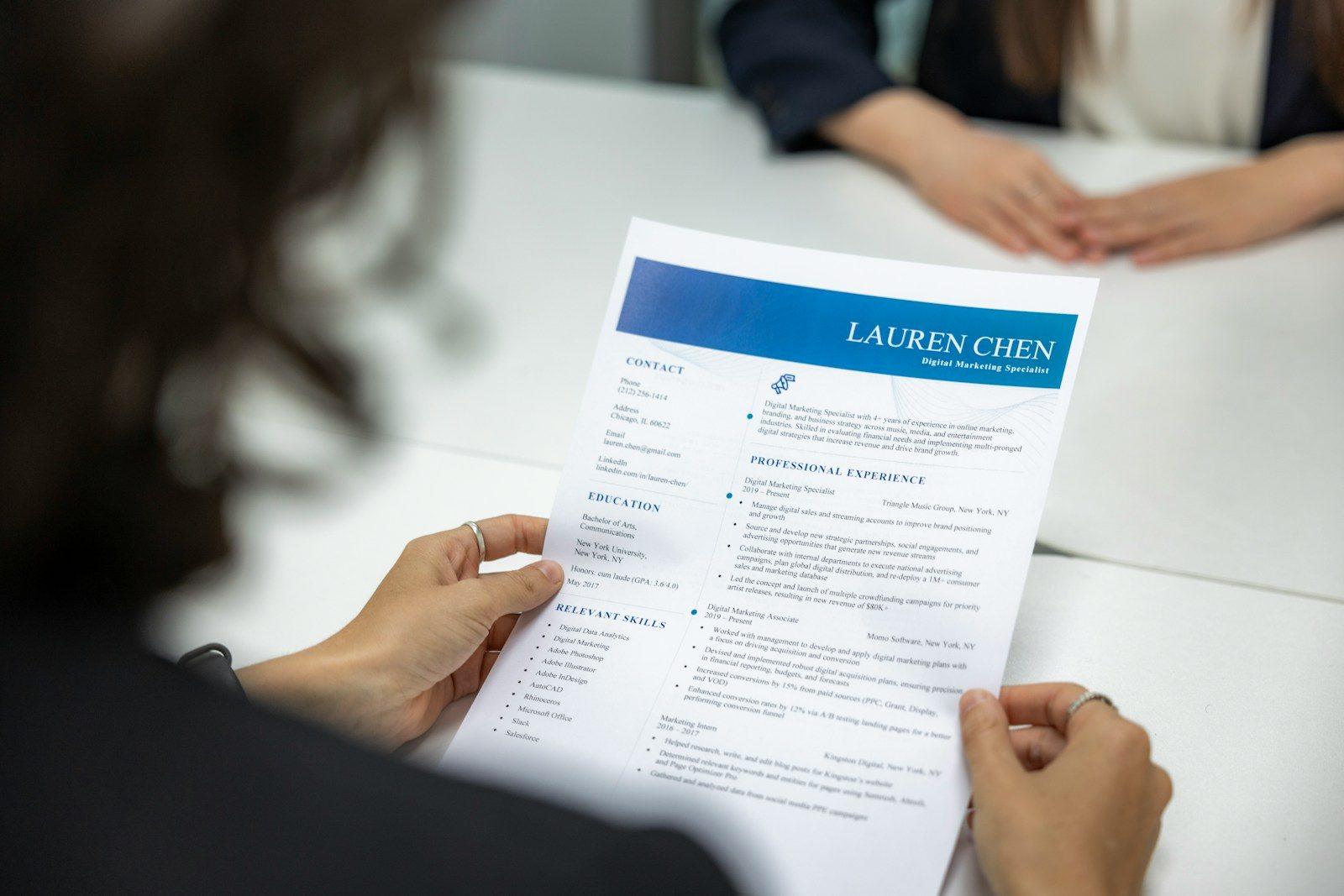
A resume that stands out is clear, concise, and focused on results. It should show not only what you did but the measurable impact you delivered and the specific skills you bring to the role. Recruiters and hiring managers often scan resumes in under a minute, so every line must earn its place. This article explains how to structure your resume, which content to prioritize, and practical steps to tailor and polish your document so it performs well with both human readers and automated screening systems.
Structure and formatting that pass quick scans
Use a clean layout and predictable structure so readers can find key information immediately. Choose a professional font such as Arial, Calibri, or Georgia in 10 to 12 point for body text and slightly larger for section headings. Keep margins between 0.5 and 1 inch and limit the resume to one page for early career professionals and one to two pages for more experienced candidates.
Begin with a concise header that includes your name, city and state or region, phone number, and a professional email address. Add a LinkedIn URL or portfolio link only if it is current and relevant. Avoid unnecessary personal details such as marital status or a photo unless the job posting explicitly requests them.
Organize content into predictable sections: a short professional summary or headline, a skills or technical proficiencies section, professional experience, education, and optional sections like certifications, volunteer work, or projects. Use consistent spacing and alignment. Bullet points should be short and focused, ideally one to two lines each. Use past tense for previous roles and present tense for your current position. Keep formatting simple so applicant tracking systems can parse the file; save and submit as a PDF only if the employer accepts that format, otherwise use a Word document when requested.
Content to prioritize and how to write it
Prioritize content that demonstrates impact and relevance to the role you want. Replace vague duties with specific accomplishments that include numbers, percentages, or time frames when possible. For example, instead of writing managed social media accounts, write increased social engagement by 45 percent over six months through targeted content and A/B testing.
Start each job entry with a one line summary that states your role, the organization, and the dates of employment. Follow with three to six bullet points that highlight achievements. Use action verbs such as led, designed, improved, reduced, or launched. Quantify results: revenue growth, cost savings, efficiency gains, customer satisfaction improvements, or project delivery times. If you lack quantifiable results, describe the scope of responsibility, such as team size, budget managed, or number of clients served.
Include a skills section that lists both technical and soft skills relevant to the job. Group skills logically, for example Technical Skills: Python, SQL, Tableau; Communication: stakeholder presentations, cross functional collaboration. Certifications and training should be listed with the issuing organization and date. For recent graduates or career changers, include a projects or coursework section that highlights practical work and transferable skills.
Keep the professional summary short and targeted. A two to four sentence summary should state your job title, years of experience, core strengths, and the value you bring. Tailor this summary for each application so it aligns with the employer’s needs and the language used in the job description.
Tailoring, keywords, and optimization for screening
Tailor your resume for each application. Read the job description carefully and mirror the language used for required skills and responsibilities, but do not copy phrases verbatim in a way that reads unnatural. Many employers use applicant tracking systems that scan for keywords. Place important keywords in the skills section and naturally within bullet points that describe your accomplishments.
Use a short, targeted cover letter or email to explain why you are a fit and to highlight one or two achievements that match the job. When submitting online, follow the employer’s instructions exactly. If the application asks for specific file names or additional documents, provide them. If you have a portfolio or GitHub, include direct links and ensure those pages are up to date.
Proofread carefully. Typos and inconsistent formatting can disqualify an otherwise strong candidate. Read the resume aloud, use spell check, and ask a trusted colleague to review it. Save versions with clear filenames that include your name and the role, for example JaneDoe_ProductManager_Resume.pdf.
Interview preparation and follow up
A resume is a tool to get you to the interview, so prepare to discuss every line. Be ready to explain the context of each accomplishment, the actions you took, and the measurable outcomes. Practice concise stories that follow a problem, action, result format. After interviews, send a brief thank you note that references a specific point from the conversation and reiterates your interest.
A strong resume is a living document. Update it after each role, project, or certification. Keep a master file with full details and create tailored versions for specific job types. With clear structure, prioritized content, and careful tailoring, your resume will communicate value quickly and increase your chances of moving to the next stage in the hiring process.
A final check list: ensure contact details are current, quantify achievements where possible, use consistent formatting, tailor keywords to the job, and proofread thoroughly. These steps help your resume stand out and make a strong first impression.
Leave a Reply