
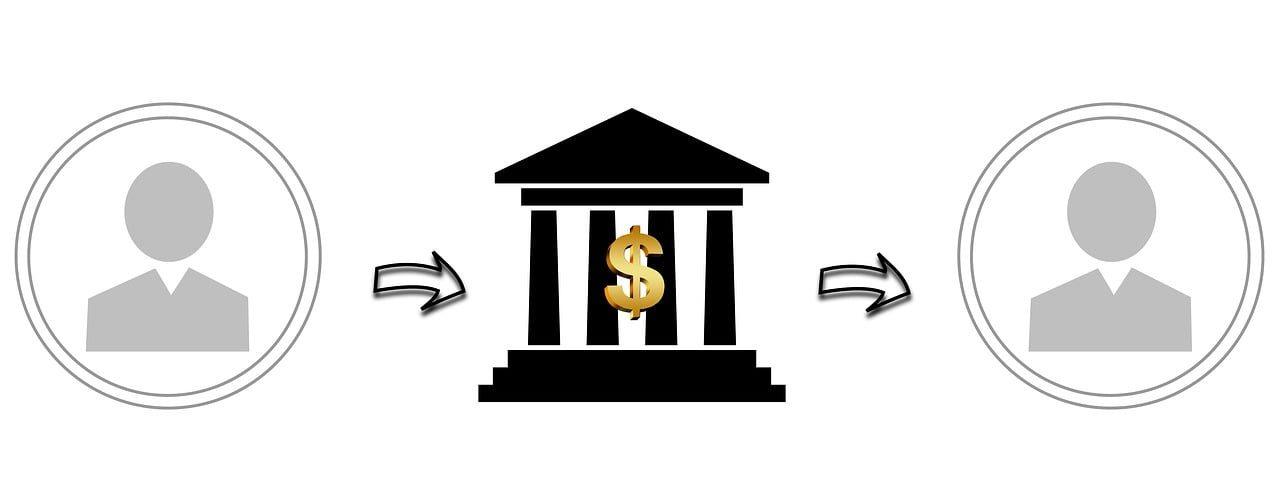
Credit card balance transfer programs are one of the most widely used tools for managing high‑interest debt. They allow cardholders to move balances from existing accounts to a new card with a lower or zero percent introductory interest rate. When used strategically, balance transfers can save thousands of dollars in interest and accelerate debt repayment. This article explains how these programs operate, who qualifies, and the steps to apply successfully.
How Balance Transfer Programs Work
Balance transfer programs are offered by most major credit card issuers. They provide promotional interest rates—often zero percent—for a fixed period, usually between six and eighteen months. During this time, cardholders can pay down balances without accruing additional interest. After the promotional period ends, standard interest rates apply, which means planning repayment carefully is essential.
Issuers typically charge a transfer fee, often between three and five percent of the transferred amount. Even with fees, the savings can be substantial compared to paying interest rates of 18 to 25 percent on existing cards. Balance transfers are not debt forgiveness; they are a restructuring tool that makes repayment more manageable.
Eligibility and Documentation
Eligibility depends on creditworthiness. Applicants generally need a fair to good credit score, typically above 670, though requirements vary by issuer. Issuers also assess income, existing debt levels, and payment history.
Applicants should prepare identification, proof of income such as pay stubs or benefit letters, and recent statements from accounts they wish to transfer. Having these documents ready speeds approval and ensures accurate transfer amounts.
Application Process
The process begins with researching balance transfer offers from different issuers. Applicants should compare promotional interest rates, transfer fees, and duration of the introductory period. Once a suitable card is identified, the application is submitted with required documentation.
If approved, the issuer initiates the transfer by paying off balances on existing cards. The transferred amount then appears on the new card account. Cardholders must begin making payments according to the new terms.
It is critical to avoid new purchases on the balance transfer card, since promotional rates often apply only to transferred balances. New purchases may accrue interest immediately, undermining the benefits of the program.
Practical Strategies for Success
Cardholders should calculate whether the savings outweigh transfer fees. For example, transferring $5,000 with a three percent fee costs $150, but avoiding 20 percent interest for a year saves nearly $1,000.
Planning repayment within the promotional period is essential. Dividing the balance by the number of months in the promotion provides a clear monthly target. Setting up automatic payments ensures consistency.
Cardholders should also avoid applying for multiple balance transfer cards simultaneously, as this can lower credit scores. Instead, focus on one strong offer and commit to repayment.
Example Scenario
A cardholder owes $7,000 across two credit cards with interest rates of 22 percent. Minimum payments total $280 per month, but balances barely decrease. The cardholder applies for a balance transfer card offering zero percent interest for twelve months with a three percent transfer fee. The $7,000 transfer costs $210 in fees. The cardholder commits to paying $600 per month, eliminating the balance within the promotional period. Compared to paying interest on existing cards, the cardholder saves over $1,200 and becomes debt‑free faster.
Conclusion
Balance transfer programs provide a powerful tool for reducing credit card debt. They restructure balances under lower interest rates, making repayment faster and more affordable. Acting quickly, preparing documentation, and committing to repayment within the promotional period are the keys to success. These programs are not a cure‑all, but when used strategically, they offer a clear path to financial stability.
Leave a Reply