
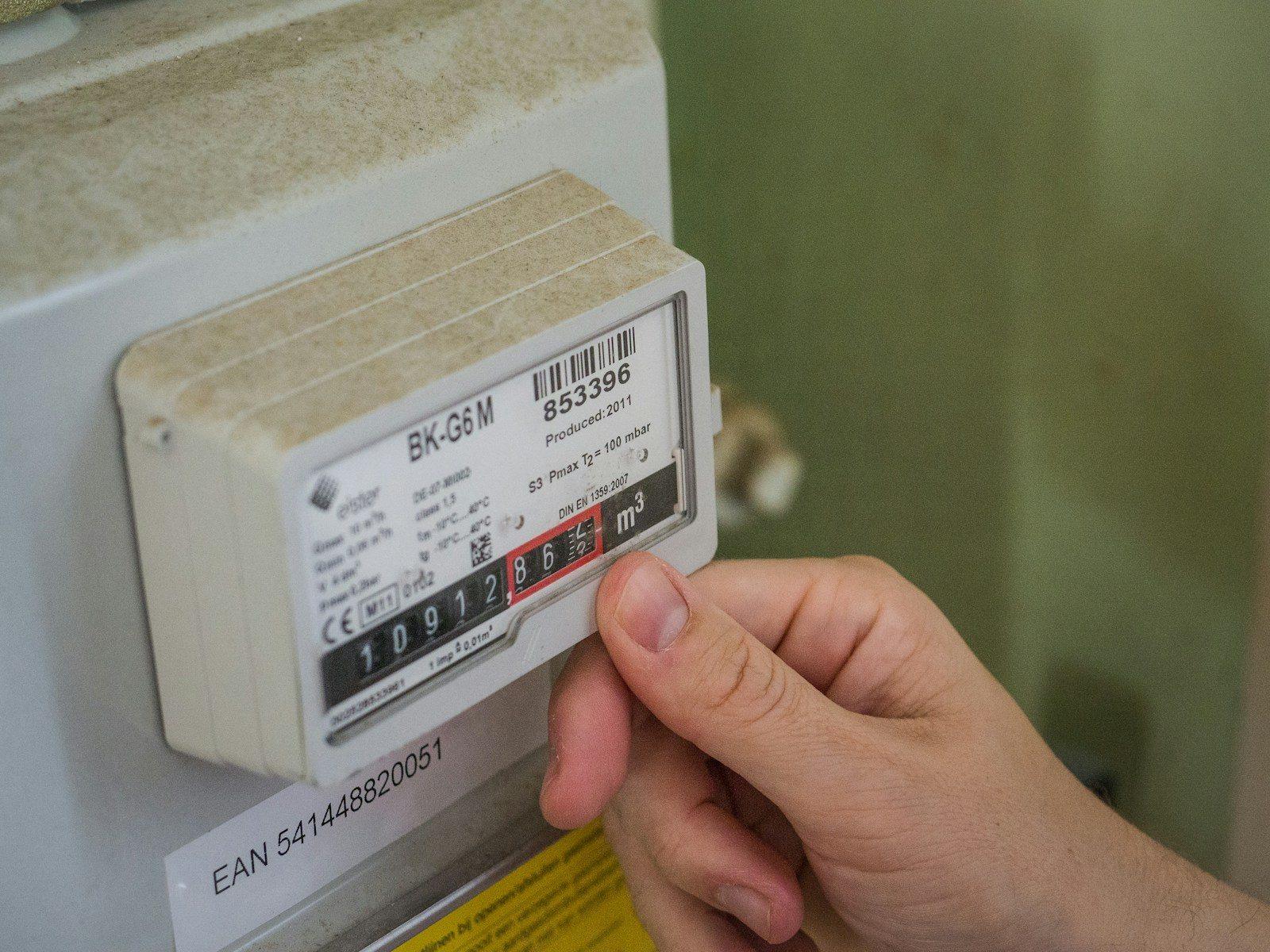
A bill smoothing option is a payment arrangement that evens out the amount you pay for utility services over a set period. Instead of paying variable amounts that reflect actual usage each billing cycle, bill smoothing spreads expected annual costs into predictable, level monthly payments. The goal is to reduce seasonal spikes and make household budgeting easier. Utilities and third party providers may call this service budget billing, levelized billing, or payment smoothing, but the underlying idea is the same: trade variable monthly bills for a steady monthly amount based on expected usage.
How bill smoothing works
Bill smoothing programs use one of two basic approaches to set the monthly amount.
- Average based smoothing. The utility calculates your expected annual usage by averaging past consumption, often using the last 12 months of bills. The total expected cost for the year is divided by 12 to produce a fixed monthly payment. The utility reconciles actual usage periodically, usually once or twice a year, and adjusts the monthly amount if there is a significant difference.
- Forecast based smoothing. The utility or provider forecasts your future usage using historical data, weather patterns, household size, and other factors. The forecasted annual cost is divided into equal monthly payments. Reconciliation still occurs, but the forecast may reduce the size of the year end adjustment.
In both models you pay the same amount each month, but the program includes a reconciliation step. If you used more than expected, you may owe a catch up amount at reconciliation. If you used less, you may receive a credit or a reduced monthly amount going forward.
Who offers bill smoothing
Bill smoothing is offered by a range of providers.
- Electric and gas utilities. Many regulated utilities provide budget billing as a standard customer option. Terms vary by state and by utility.
- Water and sewer utilities. Some water utilities offer level billing to smooth seasonal irrigation or pool filling costs.
- Third party bill management services. Private companies sometimes offer smoothing products that combine multiple bills into a single monthly payment and may include payment protection or short term credit features.
- Municipal programs. Local governments or community assistance programs may offer smoothing for low income households as part of affordability initiatives.
Always confirm whether the program is run by your utility or by a third party, because protections and fees differ.
Typical eligibility rules and enrollment steps
Eligibility varies, but common requirements include:
- Account history. Utilities often require a minimum period of prior service, for example 12 months, so they can calculate an accurate average.
- Good standing. Some programs require that the account is current and not in active collections. Utilities may allow customers with past due balances to enroll if they agree to a payment plan.
- Single meter accounts. Multi unit or commercial accounts may be excluded or handled differently.
- Application process. Enrollment usually requires a phone call, online form, or visit to a customer service office. The utility will explain the calculation method, reconciliation schedule, and any fees.
When you enroll, ask for a written summary of the terms, including how the monthly amount was calculated and when reconciliation will occur.
Benefits of bill smoothing
- Predictable monthly payments. The primary benefit is budgeting ease. A steady monthly amount removes the shock of high seasonal bills.
- Reduced risk of missed payments. Predictability makes it easier to plan and avoid late payments or disconnection.
- Smoother cash flow. Households with fixed incomes or tight budgets can manage expenses more reliably.
- Potential for early detection of usage changes. If your monthly amount is adjusted, it can signal a change in consumption patterns that you may want to investigate.
Drawbacks and trade offs
- Reconciliation surprises. If actual usage is higher than the estimate, you may face a lump sum at reconciliation. This can be difficult if you assumed smoothing eliminated variability.
- Fees or interest. Some third party smoothing services charge fees or include financing costs. Even utility programs may require a deposit or administrative fee in some jurisdictions.
- Less direct price signal. Smoothing reduces the immediate incentive to conserve during high usage months because the monthly cost does not rise with consumption. That can lead to higher overall usage if customers are less attentive.
- Not a substitute for assistance. Bill smoothing is a budgeting tool, not a hardship program. Customers who cannot pay even the smoothed amount may need income based discounts, hardship programs, or emergency assistance.
How reconciliation works and what to expect
Reconciliation is the process of comparing the smoothed payments you made to the actual charges for the period. Common reconciliation practices include:
- Annual reconciliation. The utility totals actual charges for the year and compares them to the 12 smoothed payments. A credit or balance due is applied.
- Semiannual reconciliation. Some programs reconcile every six months to reduce the size of adjustments.
- Rolling adjustments. Instead of a lump sum, the utility may spread any shortfall or surplus over the next several months to soften the impact.
- Notification. Utilities should notify you in advance of reconciliation and explain any balance due or credit. Ask how disputes are handled if you disagree with the usage calculation.
Practical tips before enrolling
- Ask for the calculation details. Request the historical usage data and the math used to set your monthly amount.
- Confirm reconciliation timing. Know when reconciliation happens and whether surpluses or shortfalls are spread out.
- Check for fees. Ask whether there are enrollment, administrative, or early termination fees.
- Understand protections. If a third party manages payments, confirm consumer protections, dispute procedures, and whether your account remains with the utility.
- Plan for reconciliation. If you enroll, set aside a small reserve each month to cover a potential reconciliation balance.
- Combine with conservation. Use smoothing for budgeting but continue to monitor usage and pursue efficiency measures to lower overall costs.
When bill smoothing is a good fit
Bill smoothing is useful when you want predictable monthly bills and you have relatively stable annual usage. It is especially helpful for households with seasonal spikes, such as high winter heating bills or summer air conditioning. It is less appropriate if you expect major changes in usage, such as adding a household member, installing a pool, or starting a home business.
Alternatives to bill smoothing
- Budget billing with caps. Some utilities offer budget billing that limits the size of reconciliation adjustments.
- Payment plans. For past due balances, a payment plan spreads the existing debt without changing future bills.
- Hardship programs. Income based discounts or grants reduce the total owed rather than smoothing it.
- Energy efficiency upgrades. Reducing consumption through weatherization or efficient appliances lowers both peak bills and annual costs.
Leave a Reply