
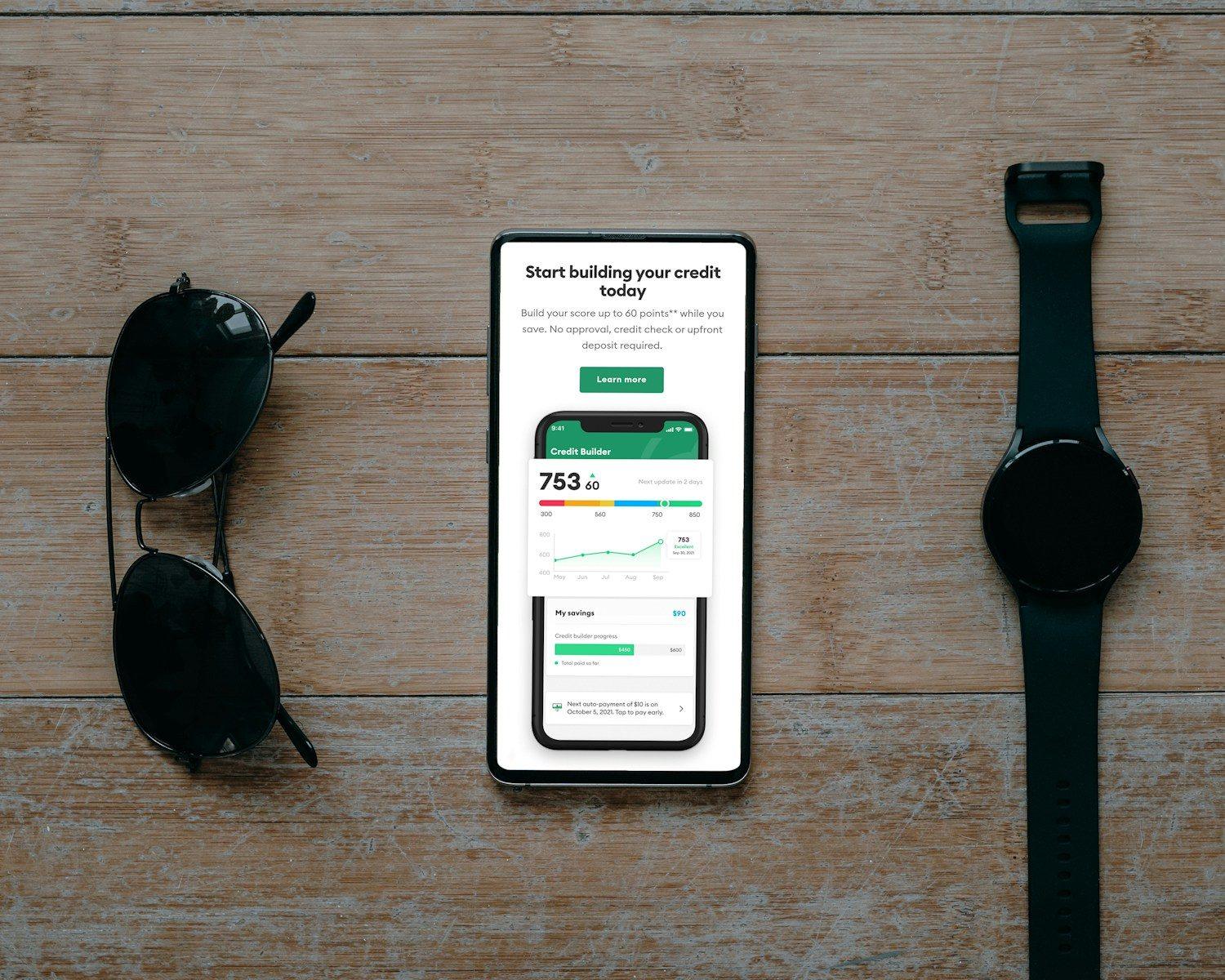
A strong credit score expands financial options, lowers borrowing costs, and makes it easier to rent housing or qualify for services that check credit. Building and improving credit takes consistent habits, strategic product choices, and regular monitoring. This guide explains what credit scores measure, practical steps to establish credit if you have none, targeted actions to raise a damaged score, and common mistakes that slow progress.
What credit scores measure and why they matter
Credit scores are numeric summaries of the information in your credit reports. Major scoring models weigh similar factors: payment history, amounts owed, length of credit history, new credit, and credit mix. Payment history typically carries the most weight because missed payments are strong predictors of future default. Amounts owed looks at total debt and credit utilization, which is the ratio of revolving balances to available credit. Lower utilization signals responsible use.
Lenders use scores to set interest rates, determine loan approval, and set credit limits. Landlords, insurers, and some employers may also review credit information. A higher score reduces borrowing costs and increases options, while a low score can lead to higher rates, security deposits, or denials.
Establish credit when you have none
Start with products designed for people with limited or no credit history. Secured credit cards require a cash deposit that becomes your credit line. Use the card for small recurring purchases and pay the balance in full each month to build a positive payment record. Many banks and credit unions offer secured cards with reasonable fees and clear upgrade paths to unsecured cards after consistent on‑time payments.
Becoming an authorized user on a trusted family member’s account can help if the primary account has a long, positive history and low utilization. Confirm that the issuer reports authorized user activity to the credit bureaus and that the primary user maintains good habits.
Credit builder loans are another option. These loans place borrowed funds in a locked savings account while you make payments. When the loan is repaid, you receive the funds and the lender reports the payments to the credit bureaus, creating a positive payment history.
Improve scores through disciplined habits
Consistent, on‑time payments are the single most effective action. Set up automatic payments or calendar reminders to avoid late payments. Even one 30‑day late payment can significantly lower a score and remain on a report for years.
Manage revolving balances to keep credit utilization low. Aim to use less than 30 percent of each card’s limit and, ideally, under 10 percent for the best impact. If you carry a balance, prioritize paying down high‑interest cards first while maintaining minimum payments on others.
Avoid opening multiple new accounts in a short period. Each hard inquiry and new account can temporarily lower your score and shorten your average account age. When shopping for a mortgage or auto loan, cluster rate‑shopping within a short window so scoring models treat multiple inquiries as a single event.
Keep older accounts open unless they carry high fees or pose identity risk. The length of credit history benefits from long‑standing accounts, so closing the oldest card can shorten your average age and reduce your score.
Repair damaged credit with targeted steps
Start by obtaining your credit reports and reviewing them for errors. Dispute inaccuracies such as incorrect balances, accounts that do not belong to you, or wrongly reported late payments. Provide documentation and follow the bureau’s dispute process; corrected errors can boost your score quickly.
If you have accounts in collections, negotiate with the creditor or collection agency. Request a written agreement that the account will be marked “paid in full” or “settled” and, if possible, that the collector will remove the negative entry upon payment. Some collectors accept a reduced lump sum in exchange for deletion, but get any agreement in writing before paying.
Reestablish positive behavior after serious derogatory events. If you experienced bankruptcy or foreclosure, focus on small, consistent wins: secured cards, on‑time payments, and gradually increasing savings. Over time, the impact of major negatives diminishes, especially when new positive information accumulates.
Use credit strategically and monitor progress
Diversify credit types sensibly. A mix of revolving credit and installment loans can help, but do not take on debt you do not need just to improve mix. When you do apply for credit, choose products that match your goals and that you can manage responsibly.
Monitor your credit regularly. Many banks and card issuers provide free score updates and alerts. Check full credit reports from the major bureaus at least annually to spot identity theft or reporting errors. If you find suspicious activity, act quickly to freeze accounts, change passwords, and file disputes.
Set measurable milestones and timelines. For example, reduce utilization to under 30 percent within three months, remove a specific error through dispute within 60 days, or add one positive tradeline in six months. Tracking progress keeps the plan actionable and prevents discouragement.
Practical tactics that accelerate improvement
- Pay more than the minimum on revolving accounts to reduce principal faster and lower utilization.
- Make multiple payments each month if you have high utilization; paying down the balance before the statement closing date reduces the reported balance.
- Request higher credit limits on cards you manage well to lower utilization, but avoid increasing spending.
- Use rent and utility reporting services to add positive payment history if you have limited tradelines.
- Consider a credit‑building secured card from a community bank or credit union that reports to all major bureaus and offers a path to an unsecured card.
- Negotiate medical bills and other large debts to avoid collections that damage credit; get agreements in writing and confirm reporting terms.
Common mistakes that slow improvement
Relying on a single tactic without addressing root causes rarely works. For instance, opening multiple new cards to increase available credit can backfire if you then overspend. Ignoring small balances or minimum payments leads to late fees and negative marks. Closing old accounts for cosmetic reasons can shorten credit history and lower scores.
Co‑signing loans transfers risk. If the primary borrower misses payments, your credit suffers. Use co‑signing sparingly and only when you trust the borrower and understand the consequences.
Expect gradual change. Credit repair and building are not instant. Some improvements, like correcting errors, can show quickly, while others, such as rebuilding after bankruptcy, take years. Patience and consistent behavior produce the most reliable results.
Practical credit management combines disciplined payments, low utilization, careful account choices, and regular monitoring. Start with small, sustainable steps and scale up as your financial stability improves. Over time, these habits create a resilient credit profile that lowers borrowing costs and expands financial options.
Leave a Reply