
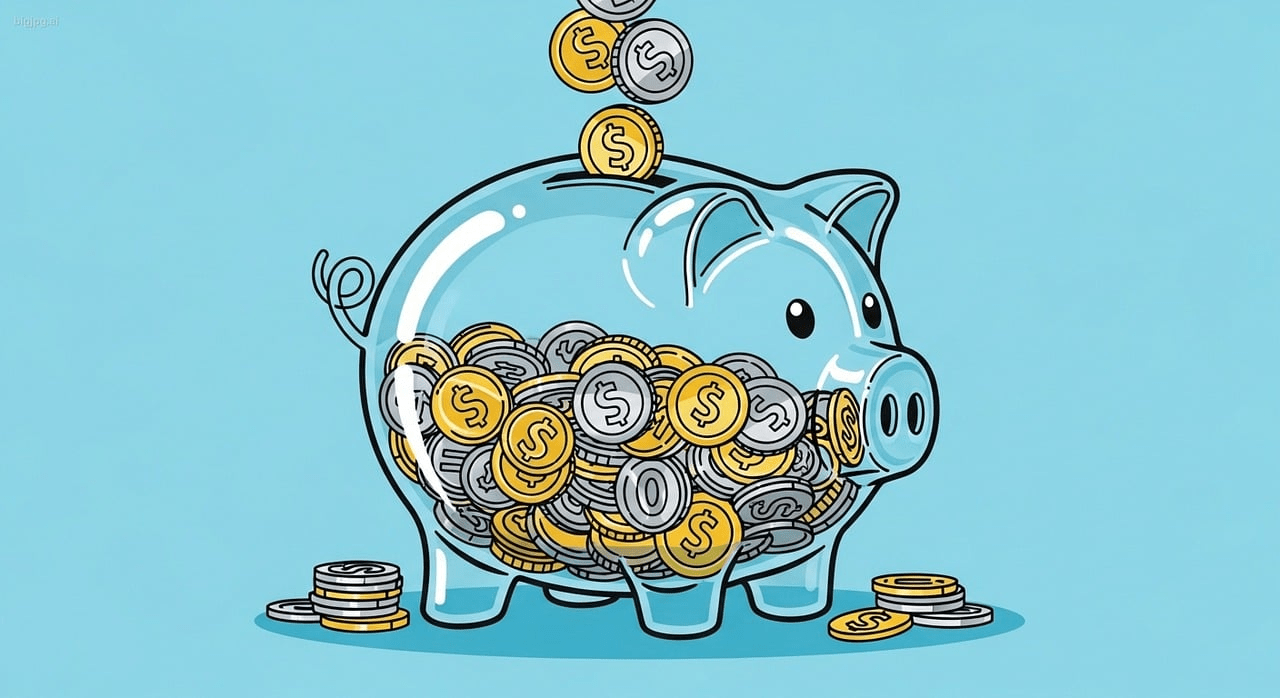
An emergency fund is a dedicated cash reserve that covers unexpected expenses such as car repairs, medical bills, or a temporary loss of income. Building one reduces the need to rely on high‑cost credit and gives you breathing room to make better decisions when life changes. This article lays out a practical, step by step approach you can follow regardless of income level. It covers goal setting, where to keep the money, concrete saving tactics, and rules for using and replenishing the fund.
Set a clear goal and timeline
Start by defining what the fund is for and how much you need. A common rule of thumb is three to six months of essential living expenses, but the right target depends on your situation. If you have irregular income, a single earner household, or high medical or childcare costs, aim for six months or more. If you have stable employment, low fixed costs, and other safety nets, three months may be sufficient.
To calculate a target, list monthly essentials such as rent or mortgage, utilities, groceries, insurance premiums, minimum debt payments, and transportation. Multiply that total by the number of months you want to cover. For example, if essentials total $2,000 per month and you choose a four month buffer, your target is $8,000.
Set a realistic timeline for reaching the goal. Break the target into smaller milestones such as 10 percent, 25 percent, and 50 percent of the final amount. Smaller milestones create frequent wins that keep you motivated. Decide whether you want to reach the full target in six months, one year, or longer, and choose saving rates that match that timeline.
Choose where to keep the fund and how to structure it
The emergency fund should be liquid and safe. That means the money must be accessible quickly and not subject to market volatility. Common places to hold the fund include a high yield savings account, a money market account, or a short term online savings product. These options offer easy access and modest interest while protecting principal.
Avoid tying your emergency fund to long term investments such as stocks or retirement accounts. Those can lose value when you need cash and may trigger penalties or tax consequences. Also avoid keeping the fund in an account that is too hard to access, such as a locked certificate of deposit with long penalties for early withdrawal.
Consider a tiered structure if you want both immediate access and slightly higher returns. Keep one to two months of expenses in a checking or instant access savings account for immediate needs. Place the remainder in a high yield savings or money market account that allows transfers within one to three business days. This balances readiness with better interest earnings.
Practical saving strategies and automation
Turning intention into action requires a plan for consistent saving. Start by reviewing your budget and identifying amounts you can redirect to the emergency fund. Even small, regular contributions add up. Use these tactics to accelerate progress.
- Automate transfers. Set up automatic transfers from your paycheck or checking account to the emergency fund on each payday. Automation removes friction and reduces the temptation to spend the money elsewhere.
- Treat the fund like a recurring bill. Put the transfer on your calendar and prioritize it the same way you prioritize rent or utilities.
- Use windfalls strategically. Apply tax refunds, bonuses, and cash gifts to the fund until you reach your target. Resist the urge to spend windfalls on nonessential items until the emergency cushion is in place.
- Trim recurring expenses. Review subscriptions, streaming services, and memberships. Cancel or downgrade items you do not use and redirect the savings to the fund.
- Increase income temporarily. Consider short term side work, overtime, or selling unused items and apply the proceeds to the fund.
- Round up savings. Use apps or bank features that round up purchases and transfer the difference to savings. Small amounts accumulate over time.
- Reallocate discretionary spending. Temporarily reduce dining out, entertainment, or nonessential shopping and move the difference to the fund.
Track progress visually with a chart or progress bar. Seeing the balance grow reinforces the habit and helps you stay committed.
Maintain, use, and replenish the fund wisely
Once you reach your target, maintain the habit by continuing smaller automatic contributions to keep pace with inflation and rising expenses. Review the target annually and adjust for changes in household size, income, or fixed costs.
Use the emergency fund only for true emergencies. Examples include sudden job loss, major unexpected medical bills, urgent home or car repairs, or necessary travel for family emergencies. Avoid using the fund for planned expenses such as vacations, routine upgrades, or discretionary purchases. For planned costs, create separate sinking funds so the emergency reserve remains intact.
If you must use the fund, create a replenishment plan before spending. Decide how much you will replace each month and set automatic transfers to rebuild the balance. Treat replenishment as a priority equal to other financial obligations.
Keep records of withdrawals and replenishment timelines. If you find yourself tapping the fund frequently, reassess the root causes. Consider increasing the target, reducing recurring expenses, or addressing income instability through career or benefits changes.
An emergency fund is a foundational financial tool that reduces stress and prevents high‑cost borrowing when unexpected events occur. By setting a clear target, choosing accessible accounts, automating savings, and protecting the fund for true emergencies, you build resilience and financial flexibility. Start with small, consistent steps, celebrate milestones, and maintain the habit even after you reach your goal. With a practical plan and disciplined execution, an emergency fund becomes a reliable safety net that supports better decisions in uncertain times.
Leave a Reply